Expert Commercial Salting and Ice Control in Lexington, KY
Help reduce icy conditions and keep your commercial property accessible throughout winter with dependable salting and ice management solutions.
Tell us about your property and the services you need. Our team will review your information and contact you to discuss the next steps.
Stay ahead of icy conditions with dependable salting and ice control services. Keep parking lots, walkways, and entrances accessible while reducing slippery surfaces. Protect your property and maintain safer access throughout winter.
Professional Ice Control That Helps Reduce Slip-and-Fall Risks
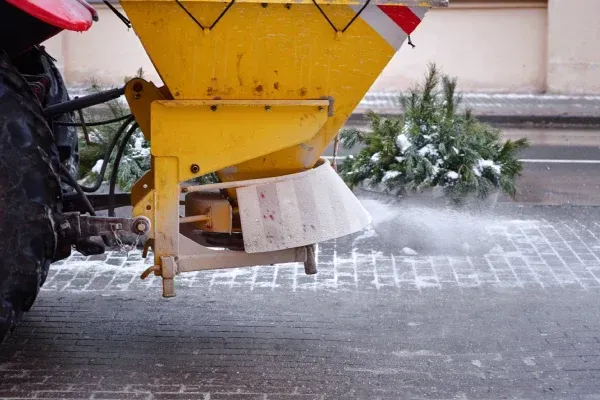
Commercial salting and ice control in Lexington, KY, helps reduce slippery conditions on parking lots, walkways, and other high-traffic surfaces. Freezing rain, melting snow, and sudden temperature drops can quickly create hazardous conditions. Having a reliable ice management plan helps businesses maintain safer access throughout the winter.
At
Ironwood Landscape Services, we focus on practical ice control solutions that address your property's needs and changing weather conditions. From preventive treatments to post-storm applications, our approach is designed to help limit ice buildup and reduce potential disruptions. We work with property managers and business owners to establish clear service expectations before winter weather arrives.
Why Commercial Ice Control Requires More Than Snow Plowing
Snow removal and ice control serve different purposes, but both play an important role in winter property maintenance. Plowing clears accumulated snow, while ice treatments help address slippery surfaces that may remain afterward. Combining these services can help improve traction and reduce the risk of slips and falls.
The Difference Between Salting and Snow Plowing
Even after a parking lot has been plowed, thin layers of ice can remain on the pavement. Commercial de-icing treatments help break down existing ice and improve surface conditions. This additional service is especially important around entrances, pedestrian areas, and other locations where ice can develop quickly.
Anti-Icing vs. De-Icing: Choosing the Right Treatment
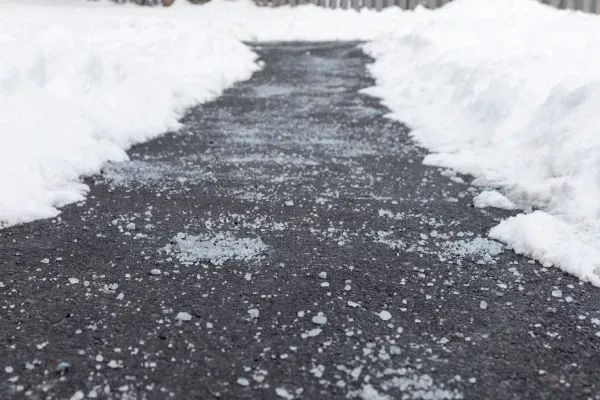
Effective ice management involves knowing when to treat surfaces and which approach is appropriate for the conditions. Anti-icing is used before ice bonds to pavement, while de-icing addresses snow or ice that has already accumulated. Depending on the forecast, pavement conditions, and service agreement, different treatments may be needed throughout a winter storm.
Pre-Storm Anti-Icing Treatments
Anti-icing involves applying a treatment before freezing conditions develop to help prevent ice from bonding firmly to pavement. Liquid brine and other preventive products may be used depending on temperature and weather conditions.
Post-Storm Salting Services
Post-storm salting helps break down remaining ice after snowfall, freezing rain, or plowing. Treatments are directed toward areas where slippery conditions can affect vehicle and pedestrian access. Application amounts and materials should be selected according to pavement conditions and temperature.
Refreeze Monitoring and Reapplication
Melting snow can refreeze overnight or when temperatures drop below freezing. Shaded sections, drainage areas, and frequently traveled surfaces may require additional attention. Follow-up applications can be included in an ice management plan when conditions and the agreed service scope call for them.
Ice Control Materials and Surface Protection
Different ice control materials work best under different winter conditions. Selecting the appropriate product depends on pavement temperature, surface type, and the level of ice accumulation. Careful application also helps limit unnecessary exposure to surrounding surfaces and landscaping. Common commercial ice control materials include:
- Rock Salt: A widely used material that helps melt ice under suitable temperature conditions.
- Calcium Chloride: An alternative that can remain effective at lower temperatures than traditional rock salt.
- Ice Melt Blends: Combinations of materials selected for specific treatment requirements and weather conditions.
Where We Provide Commercial Salting and Ice Control
Different parts of a commercial property experience winter conditions differently. Open parking areas, shaded walkways, and building entrances may require different treatment priorities. Our proposed ice control plans focus on identifying these areas and establishing the appropriate scope of service.
Parking Lot Salting
Parking lot salting helps reduce ice accumulation in areas used by vehicles, employees, customers, and visitors. Treatment priorities may include driving lanes, parking spaces, access points, and areas where melting snow can refreeze. The goal is to support safer vehicle movement and maintain usable access during winter weather.
Sidewalks, Ramps, and Building Entrances
Pedestrian surfaces require particular attention because even small amounts of ice can create slipping hazards. Sidewalks, entrance paths, and accessible ramps may need targeted treatment based on their surface conditions and usage. Maintaining these areas helps reduce winter-related access problems for employees and visitors.
Keep Your Commercial Property Safe This Winter
Stay ahead of freezing temperatures and icy conditions with reliable salting and ice control services. From parking lots to walkways and entrances, we help reduce slippery surfaces and keep your property accessible throughout winter.
Contact us today to discuss your ice management needs in Lexington, KY, and request a free estimate.
HELPFUL INFORMATION
Frequently Asked Questions About Commercial Ice Control
Planning for winter weather often raises questions about treatment timing, materials, and service frequency. These answers explain what commercial property owners should consider when arranging salting and ice control services.
When Should Commercial Parking Lots Be Salted?
Parking lots may need treatment before a forecasted freeze, after snow removal, or when existing moisture begins turning into ice. The appropriate timing depends on pavement temperatures, weather conditions, and the treatment material being used.
Is Commercial Salting Necessary After Snow Plowing?
Yes, salting may still be necessary because plowing does not remove every layer of snow or ice. Remaining moisture and compacted snow can refreeze, creating slippery pavement even after clearing.
How Often Does a Commercial Property Need Ice Control?
Treatment frequency depends on snowfall, freezing rain, temperature changes, and property conditions. Some storms may require multiple applications, particularly when ice continues forming or previously treated areas refreeze.
Can Ice Melt Products Damage Concrete or Landscaping?
Yes, some ice control products can affect concrete surfaces, plants, and surrounding soil. Selecting suitable materials and avoiding excessive application can help reduce these risks, although no de-icing material is completely risk-free for every surface.